Atomic Habits with Obsidian for ADHD

When I first came across James Clear's Atomic Habits at the International Conference of Books in Rabat, I knew I had stumbled upon something potentially life-changing. As a Moroccan teacher, working both in the classroom and on research aimed at helping students with unmedicated ADHD, I’ve always been on the lookout for strategies that could make my life—and the lives of those around me—a bit easier. Reading this book and applying its principles to my daily life, particularly through tools like Obsidian, has led to some profound changes. I’d like to share my journey and how the ideas in Atomic Habits have transformed my approach to productivity, teaching, and self-management as someone with ADHD.
Understanding the Basics: Why Atomic Habits Resonates with ADHD
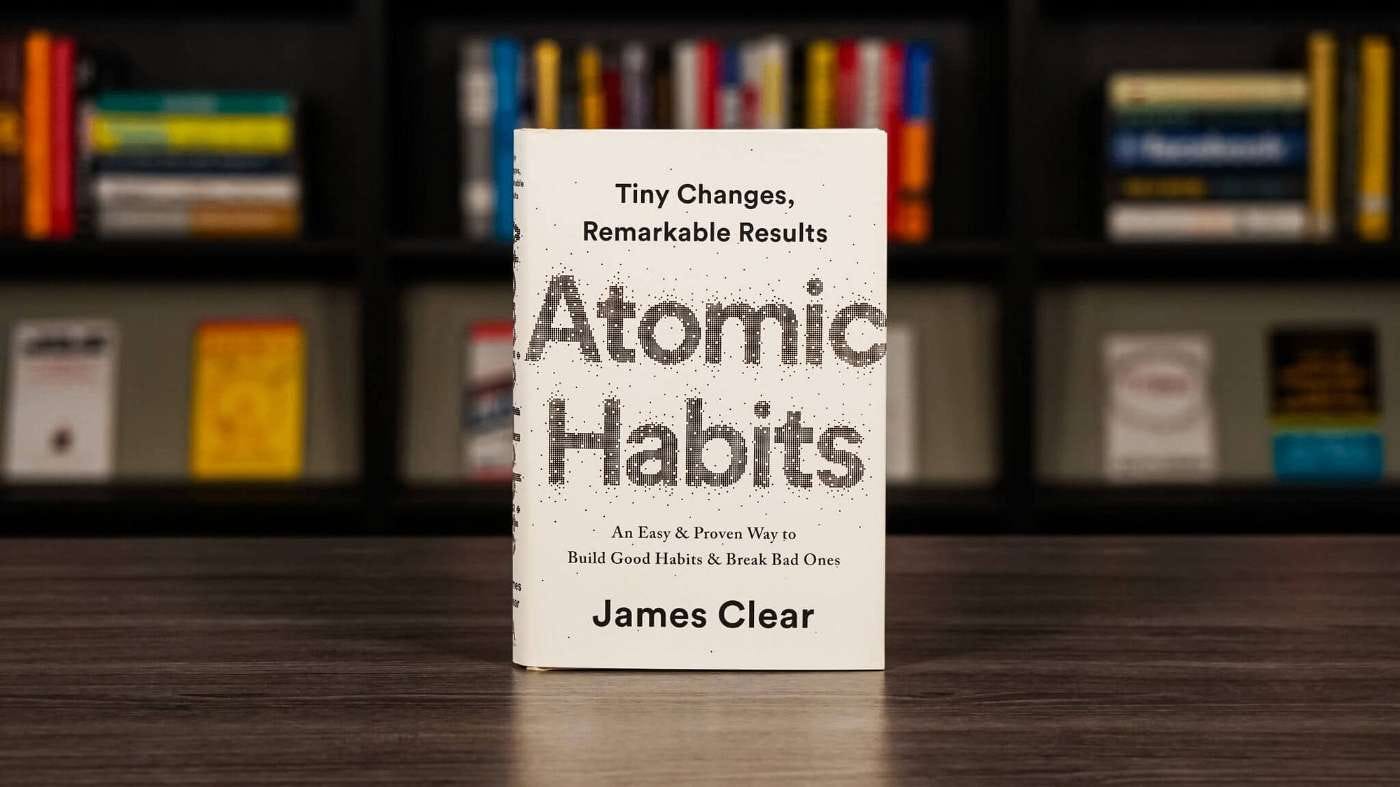
For those unfamiliar with the book, Atomic Habits focuses on the idea that small, incremental changes—habits—can lead to significant transformations over time. This concept is especially crucial for those of us with ADHD. Traditional productivity methods often fall short because they don't account for the unique challenges we face: difficulty with sustained attention, struggles with executive function, and the constant battle against distractions.
Clear’s framework for habit formation—cue, craving, response, and reward—offers a simple yet powerful way to create positive habits while mitigating our tendencies to get overwhelmed. The key lies in making habits so small they’re almost impossible to fail, and then gradually building on them. For someone like me, who deals with ADHD without medication, this approach was a revelation. It gave me a way to build routines that didn’t rely on willpower alone, which we all know is unreliable at best.
Integrating Atomic Habits into My Obsidian Workflow
One of the most effective ways I’ve incorporated Atomic Habits into my life is through Obsidian, a note-taking and knowledge management tool that has become indispensable for me. Obsidian’s flexibility allows it to be customized to fit my needs, making it the perfect platform to integrate Clear’s principles.
1. Start Small and Stay Consistent
Cue: My cue is simple—every morning, before I do anything else, I open Obsidian. The act of just opening the app signals to my brain that it’s time to enter a productive mode.
Craving: The craving is the desire to see my notes and ideas laid out clearly. This drives me to write something, even if it’s just a single thought or a short journal entry.
Response: My response is to add at least one new note or edit an existing one. I’ve learned that keeping this habit as low-pressure as possible helps me stay consistent.
Reward: The reward is immediate—I get to see my graph view update, even if it’s just a tiny new connection. For someone like me, who thrives on visual feedback, this is incredibly motivating.
This approach helps me avoid feeling overwhelmed by the sheer number of things I could be doing. Instead, I focus on small, manageable tasks that contribute to a larger goal.
2. Make It Attractive and Satisfying
I love seeing my knowledge graph grow. It’s not just a visual representation of my notes; it’s a reflection of my progress. For someone with ADHD, having a visual cue that things are moving forward, even incrementally, is hugely satisfying. I’ve found that linking notes or creating new connections in my graph acts as a form of positive reinforcement, motivating me to continue building my second brain.
I’ve also personalized my Obsidian setup with themes, icons, and plugins that make the experience enjoyable. When my workspace feels good, I’m more likely to engage with it regularly.
3. Habit Stacking with Obsidian
Habit stacking is one of the most powerful concepts in Atomic Habits. It involves attaching a new habit to an existing one. For instance, after I finish a teaching session, I immediately spend five minutes updating my Obsidian notes on that session. This could include reflections on what worked, what didn’t, and ideas for future lessons. By stacking this habit onto something I’m already doing, I ensure it gets done without requiring additional mental effort.
Daily Journaling: A Key Habit for ADHD Management
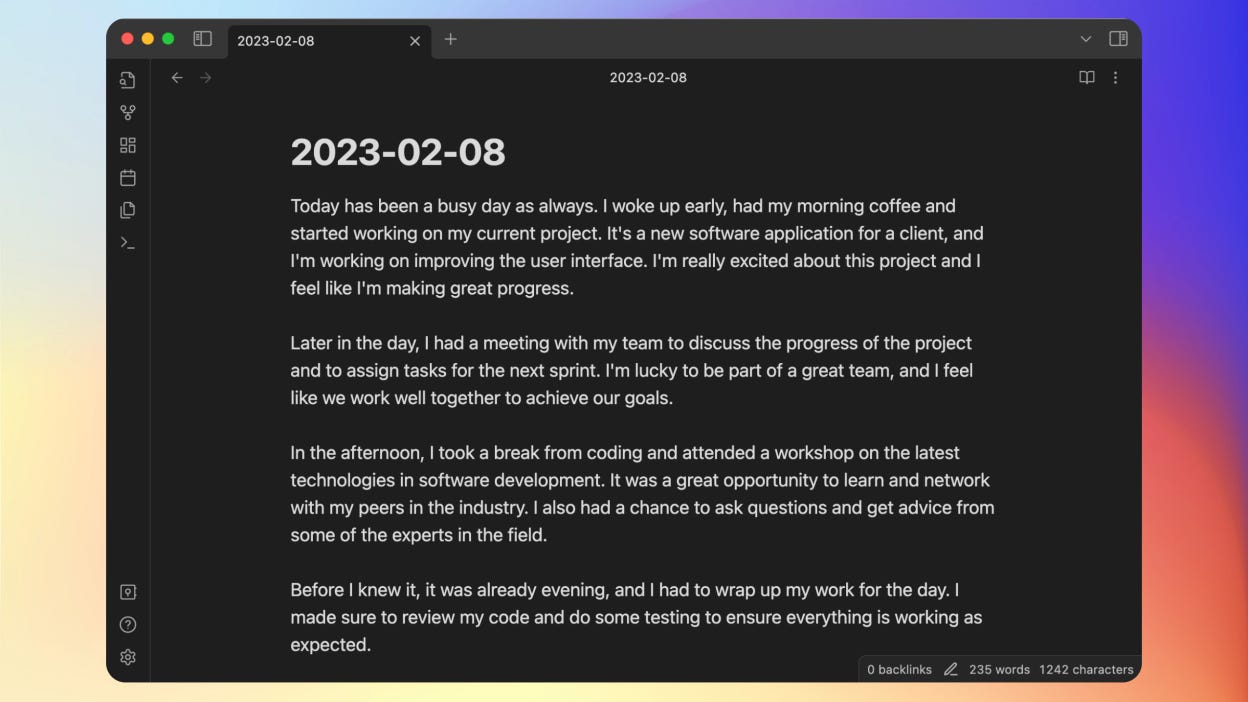
One of the best habits I’ve formed through Atomic Habits is daily journaling. For someone with ADHD, journaling is more than just a reflection tool—it’s a way to externalize thoughts, organize emotions, and track progress. Obsidian’s daily notes feature is perfect for this. Every morning, I write a quick journal entry that includes:
A summary of what I did yesterday.
My goals for the day.
Any obstacles I anticipate.
Reflections on how I’m feeling emotionally and mentally.
This practice helps me clear my mind and set a focused agenda for the day. It also provides a valuable record of my thoughts and progress, which I can review later to identify patterns or areas for improvement.
Applying Atomic Habits in the Classroom

As a teacher, I’ve begun integrating these habit-forming principles into my work with students, particularly those with ADHD. One successful strategy has been using quick rewards, something I picked up from Atomic Habits. For example, I’ve started providing immediate feedback on tests and assignments, which keeps students engaged and motivated. This small change has made a noticeable difference in their enthusiasm and willingness to participate.
I’ve also experimented with breaking down tasks into smaller, more manageable chunks, both for myself and my students. By focusing on tiny, achievable goals, I help them experience a sense of accomplishment that fuels further progress.
Managing ADHD with Obsidian: Staying Organized Without Getting Overwhelmed
One of the biggest challenges for anyone with ADHD is managing the overwhelming flood of ideas, tasks, and responsibilities. Obsidian has become a lifeline in this regard. Here’s how I use it to stay on top of things:
Tagging and Linking: I use tags and links to keep related notes connected. This way, even if I get distracted or lose track of a project, I can easily pick up where I left off by following the links.
Daily Notes: The daily notes feature keeps me anchored. Every day, I have a central place to jot down thoughts, tasks, and reminders. It’s a small but crucial habit that helps me maintain consistency.
Project Management: I use folders and tags to manage different aspects of my life, from teaching to personal projects to ongoing research. Obsidian’s flexibility allows me to create a system that evolves with my needs.
The Power of Visual Motivation
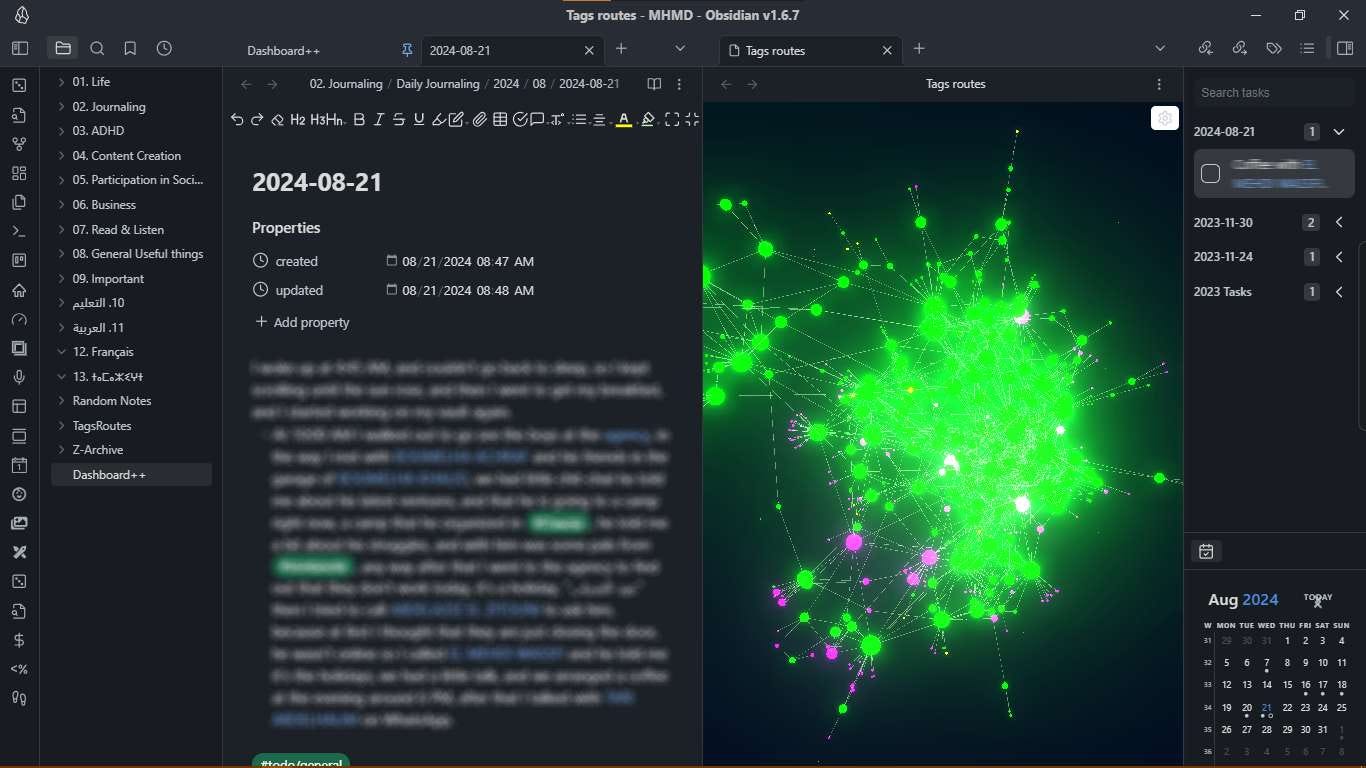
For me, the graph view in Obsidian isn’t just a gimmick; it’s a powerful motivator. Seeing my knowledge grow, connections form, and ideas take shape keeps me engaged. It’s a tangible reminder that my efforts are adding up, even on days when it feels like I haven’t accomplished much. This visual feedback loop is essential for staying motivated, especially when managing ADHD.
Final Thoughts: Finding What Works for You
Everyone’s journey is different. What works for me may not work for you, and that’s okay. The key is to experiment, find what resonates, and build systems that support your unique needs. For me, Atomic Habits provided the blueprint, and Obsidian became the toolkit. Together, they’ve helped me not just manage my ADHD, but thrive with it.
If you’re struggling with ADHD—medicated or unmedicated—I encourage you to explore these tools and see how they can work for you. Start small, stay consistent, and don’t be afraid to make adjustments along the way. Whether it’s through daily journaling, habit stacking, or leveraging visual tools like Obsidian’s graph view, there’s a path forward that can help you achieve your goals without getting overwhelmed.
As I continue my research and work with students, I’m excited to see how these concepts evolve and impact not just my life, but the lives of those I aim to help. Remember, it’s not about perfection; it’s about progress. And with the right habits and tools, that progress is well within reach.
"The impediment to action advances action. What stands in the way becomes the way." – Marcus Aurelius
Comments